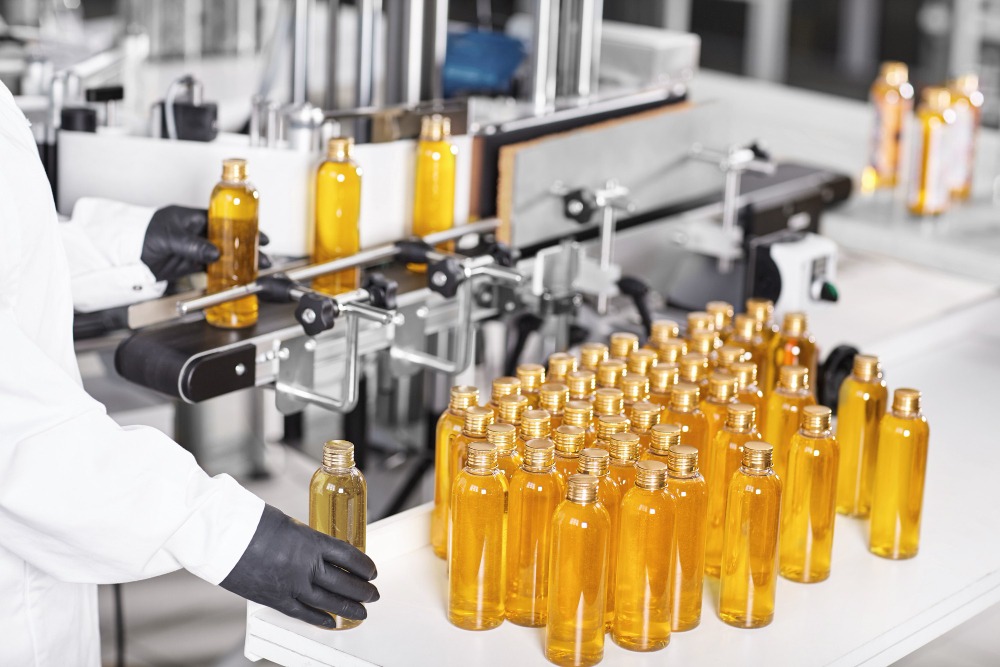
What is Third-Party Ayurvedic Manufacturing and How It Works
The global demand for natural, herbal, and traditional healthcare solutions has grown significantly in recent years. Among these, Ayurveda is India’s ancient system of medicine and has gained wide acceptance in both domestic and international markets. As consumers increasingly prefer chemical-free and holistic wellness products, the Ayurvedic industry continues to expand rapidly.
Due to this growth, many entrepreneurs and healthcare brands are entering the Ayurvedic sector. However, setting up a complete in-house manufacturing unit requires significant investment, robust infrastructure, regulatory expertise, and considerable time. This is where Third-Party Ayurvedic Manufacturing emerges as a practical and scalable solution.
Third-Party Ayurvedic manufacturers help brands to get their products manufactured by certified companies while they focus on marketing, branding, and distribution.
What is Third-Party Ayurvedic Manufacturing
Third-Party Ayurvedic Manufacturing refers to a contractual arrangement where one company manufactures Ayurvedic products for another using its own license, facilities, and expertise. The products are manufactured under the manufacturer’s AYUSH-approved license but are marketed and sold under the client’s brand name.
Also known as Ayurvedic Contract Manufacturing, this model is widely used by businesses looking to avoid the challenges of setting up and managing an entire manufacturing unit.
Third-Party Ayurvedic Manufacturing is generally used by:
- Startups launching new Ayurvedic brands
- Pharmaceutical companies entering the herbal segment
- Wellness brands expanding product portfolios
- Doctors and clinics offering proprietary formulations
- Exporters and private label businesses
To put it simply, the manufacturing company manages the production process, including sourcing raw materials, formulation, quality control, and packaging. However, the brand owner focuses on marketing, distribution, and customer engagement.
Who Can Benefit from Third-Party Ayurvedic Manufacturing
Collaborating with an experienced ayurvedic third-party manufacturing company is beneficial for businesses at different growth stages.
Startups and New Ayurvedic Brands
Third-party manufacturing helps startups enter the market quickly and cost-effectively. It allows entrepreneurs to start a herbal brand with private labelling while avoiding the complexity of setting up manufacturing facilities. Entrepreneurs can launch products quickly, scale operations without worrying about compliance, machinery, or skilled manpower, and test the market demand.
Pharmaceutical Companies Expanding Product Lines
Pharma companies planning to diversify into Ayurveda choose third-party manufacturing. It helps them introduce herbal and Ayurvedic products besides allopathic medicines without modifying the existing manufacturing operations.
Exporters and Private Label Businesses
Third-party manufacturing is beneficial for exporters since established manufacturers already comply with global quality standards. Formula customisations, packaging, and branding options are available to private-label businesses, ensuring consistent quality.
How Third-Party Ayurvedic Manufacturing Works Step by Step
Third-party manufacturing processes can help brands structure timelines, costs, and marketing strategies effectively. Here are the detailed step-by-step instructions followed by the third-party manufacturers in India.
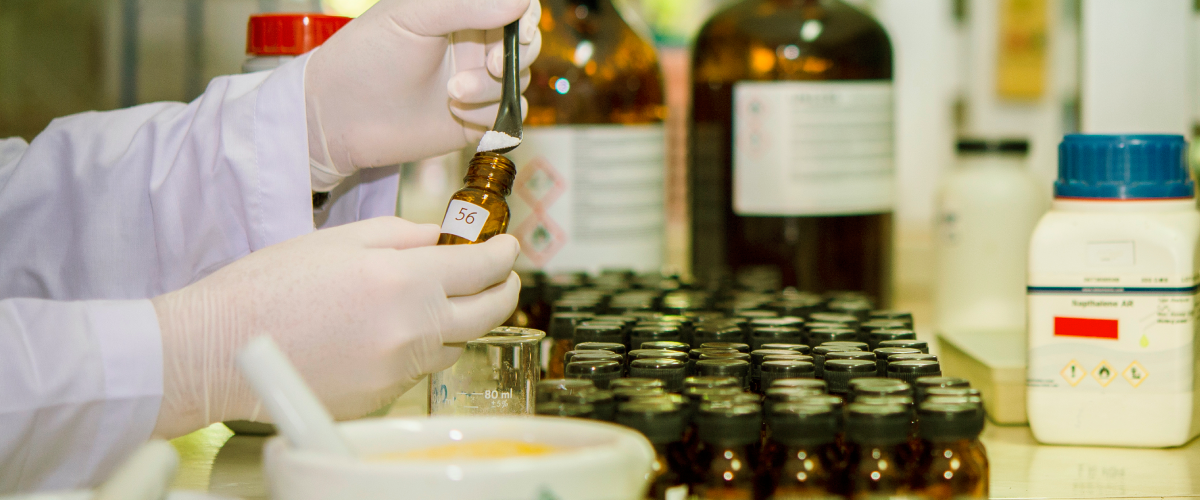
Step 1: Product Selection or Custom Formulation
The process begins with selecting the right products to manufacture.
Some brands select from the manufacturer’s existing range of market-ready formulations, such as tablets, capsules, oils, syrups, powders, and herbal cosmetics. This is a perfect option for prompt launches and less development time.
The rest of the brands choose to develop custom Ayurvedic formulations tailored to specific health needs or the target audiences. In these cases, the manufacturer’s R&D team helps with ingredient selection, dosage optimisation, formulation development, and product stability.
Step 2: Documentation and Regulatory Approvals
After the product gets finalised, regulatory documentation begins. Ayurvedic products in India should comply with AYUSH guidelines. The AYUSH-approved Ayurvedic Manufacturing helps with preparing and managing:
- Product approval documentation
- Ingredient compliance as per Ayurvedic texts
- Safety and formulation records
This stage also handles approvals for the brand name and label. Labels should include mandatory information like ingredients, dosage, expiry date, manufacturing details, and AYUSH license number.
Step 3: Manufacturing and Quality Control
Post approvals, manufacturing starts at a GMP-Certified Ayurvedic Manufacturer unit. Premium raw materials are sourced from reliable vendors and tested for purity, identity, and contamination before use.
During the production phase, strict in-process quality checks are conducted to ensure consistency, safety, and efficacy. Finished products undergo thorough laboratory testing for stability, microbial load, and quality parameters. This ensures that each batch meets regulatory and consumer safety standards.
Step 4: Packaging, Labelling, and Branding
Once manufacturing is complete, products enter the packaging and branding phase. Manufacturers offer multiple packaging options based on product type and market requirements, including bottles, jars, tubes, blister packs, and sachets.
Labels are designed in compliance with legal and regulatory norms that reflect the brand’s identity. This phase is important forprivate-label Ayurvedic products, as packaging plays a key role in building consumer trust and brand recognition.
Step 5: Final Dispatch and Delivery
Post quality clearance, the products get prepared for dispatch. Manufacturers coordinate logistics, ensuring proper packaging for transit and following agreed delivery timelines.
In export-oriented businesses, products are prepared with export-ready documentation, such as MSDS, Certificates of Analysis, and compliant packaging, to meet international standards.
Advantages of Third-Party Ayurvedic Manufacturing
Third-party manufacturing has become a preferred approach for Ayurvedic brands that aim to grow without operational complications. Outsourcing production helps a business focus on marketing, sales, and expansion, ensuring consistent quality, compliance, and cost efficiency.
Lower Investment and Reduced Risk
Third-party Ayurvedic Manufacturing helps businesses enter the Ayurvedic market without any major upfront investments. It reduces financial exposure, helping brands scale operations gradually. This approach offers the following benefits:
- No investment in manufacturing units
- Reduced operational and staffing costs
- Lower compliance and regulatory risk
Therefore, this model helps businesses allocate their resources towards brand building and market expansion while maintaining financial stability during early growth stages.
Faster Time to Market
By using trusted Ayurvedic Manufacturing Services, brands can significantly reduce time-to-market. Already established systems and experienced teams help speed up development from formulation to final production. This model helps brands achieve:
- Ready formulations for quicker launches
- Streamlined production workflows
- Faster response to market trends
Consequently, businesses achieve a competitive edge by launching products faster and adapting quickly to the shifting consumer demands across the wellness market.
Access to Certified Manufacturing Facilities
A GMP-certified Ayurvedic Manufacturers partnership offers brands access to regulated facilities that follow strict quality and safety standards. This ensures reliable production without the stress of managing manufacturing operations internally. This equips businesses with:
- Consistent quality across batches
- Compliance with industry standards
- Access to skilled technical teams
This accessibility strengthens a product’s credibility, helping brands establish long-term trust with consumers, distributors, and regulatory authorities.
Certifications to Look For in a Third-Party Ayurvedic Manufacturer
Certifications play a vital part in ensuring a product’s safety, quality, and legal compliance across Ayurvedic manufacturing. When collaborating with a manufacturer, it is important to verify the appropriate certifications that help protect your brand reputation and ensure long-term business sustainability.
GMP Certification
A GMP-certified Ayurvedic manufacturer adheres to standardised production practices, ensuring consistency, hygiene, and quality at every manufacturing stage. GMP certification highlights a manufacturer’s commitment to maintaining controlled processes and reducing production risks. The certification ensures:
- Standardised manufacturing procedures
- Proper hygiene and safety controls
- Consistent quality across production batches
Choosing a GMP-certified unit helps brands offer safe, reliable products that meet regulatory requirements and build consumer trust.
AYUSH License
An AYUSH-approved Ayurvedic Manufacturing facility is legally authorised to produce Ayurvedic products in India. This approval confirms that formulations, ingredients, and processes stay compliant with the regulations defined by the Ministry of AYUSH. Such approval offers:
- Legal compliance for Ayurvedic products
- Valid authorisation to manufacture and sell
- Trust and credibility in domestic markets
AYUSH licensing protects brands from legal risks, enabling products to be marketed confidently across domestic and regulated markets.
ISO and Quality Compliance
ISO certification shows that a manufacturer follows structured quality management systems across operations. Although not mandatory, it highlights strong internal controls, documentation practices, and consistent improvement across the manufacturing processes. The compliance supports:
- Efficient process management
- Improved product consistency
- Higher operational transparency
These quality systems improve operational efficiency, helping brands maintain reliability and consistency across the expanding product lines.
How to Choose the Right Third-Party Ayurvedic Manufacturing Company
A trusted Ayurvedic Third-Party Manufacturing Company should meet regulatory standards and support your business objectives through transparency as well as consistency.
Manufacturing Experience
Manufacturing experience highlights a company’s ability to handle formulations, quality control, and regulatory needs. An experienced manufacturer understands process optimisation, compliance challenges, and ingredient sourcing.
Their past work experience across multiple product categories reduces production errors, enabling smooth execution of standard and custom Ayurvedic formulations.
Product Range and Scalability
A diverse product portfolio demonstrates the strong technical proficiency and future-readiness of Ayurvedic manufacturers. Those offering multiple dosage in the form of tablets, syrups, capsules, oils, and cosmetics help with brand expansion without changing partners.
Scalability is also important to ensure the manufacturer can increase production volumes to meet the growing market demand.
Transparency and Support Services
Transparent pricing, documentation, and communication build long-term trust. A reliable manufacturer offers clear timelines, regulatory support, and pricing structures.
Additional services include labelling compliance, packaging guidance, and post-production assistance. This simplifies operations, helping brands focus on marketing and distribution confidently.
Third-Party Ayurvedic Manufacturing vs. In-House Manufacturing
Opting between third-party and in-house manufacturing is a strategic decision for the Ayurvedic brands. Exploring the differences can help businesses choose the right approach that supports their growth stages and long-term objectives.
Cost Comparison
Ayurvedic Contract Manufacturing is the most affordable alternative to setting up an entire in-house facility. It eliminates the need for large capital investments and ongoing maintenance costs, making it ideal for startups and growing brands. This difference highlights:
- No expenditure on land or machinery
- Lower fixed and operational costs
- Better budget control and cash flow
Therefore, this model helps businesses maintain financial flexibility while scaling production without any long-term infrastructure commitments.
Operational Complexity
In-house manufacturing involves managing multiple operational responsibilities, including staffing, compliance, and quality audits. Third-party manufacturing reduces this burden by shifting production responsibilities to experienced manufacturers. Such differences lead to:
- Simplified day-to-day operations
- Reduced regulatory management
- Less dependency on technical manpower
Outsourcing production helps brands operate more efficiently and focus internal teams on strategic planning and market expansion.
Suitability for Growing Brands
Third-party manufacturing offers greater flexibility and scalability, without operational constraints, for expanding businesses. It helps brands focus on sales, marketing, and distribution, besides adjusting demand-based production volumes. So, this is ideal for:
- Startups entering the Ayurvedic market
- Brands testing new product categories
- Businesses planning gradual expansion
This flexibility helps brands scale production responsibly, align output with demand, and reduce risk as they expand into new markets.
Final Thoughts
Third-party Ayurvedic Manufacturing in India offers the most practical and scalable pathway for brands looking to expand into herbal and wellness markets. Lower investment, faster product launches, and access to certified facilities help businesses focus on branding and market expansion. The strong Ayurvedic foundation of India and regulatory ecosystem strengthen this model, helping with business expansion.
At Aadi Herbals, we help brands with GMP-certified, AYUSH-approved manufacturing, a diverse product range, and end-to-end assistance. Partnering with us helps brands build confidently and scale high-quality Ayurvedic products. So, if you are planning to expand your product line, contact us to explore how a reliable manufacturing partner can support your business growth!
Frequently Asked Questions
Is third-party Ayurvedic manufacturing legal in India?
Yes, it is completely legal when products are manufactured in AYUSH-licensed facilities and comply with applicable regulatory guidelines.
Can doctors or clinics launch their own Ayurvedic brand through third-party manufacturing?
Yes, many doctors and clinics use third-party manufacturing to offer proprietary Ayurvedic products under their own brand.
How long does it take to launch an Ayurvedic product through third-party manufacturing?
Product launch timelines typically range from four to eight weeks, depending on formulation type, approvals, and packaging requirements.
Can third-party Ayurvedic manufacturers help with export documentation?
Most experienced manufacturers assist with export-related documentation, certifications, and compliance needed for international markets.
Is a minimum order quantity required for third-party Ayurvedic manufacturing?
Yes, manufacturers usually set a minimum order quantity that varies by product type, formulation, and packaging specifications.
Recent Posts
-

How to Select the Best PCD Pharma Company for Partnership
Read More -

What is Third-Party Ayurvedic Manufacturing and How It Works
Read More -

How to Select the Right Ayurvedic Manufacturer for Your Brand
Read More -

How Private Labelling Can Help You Enter the Herbal Products Market Faster
Read More -
Why Investing in an Ayurvedic Franchise is a Smart Business Move
Read More